Why Do People Try to Become Transgender People in Europe?
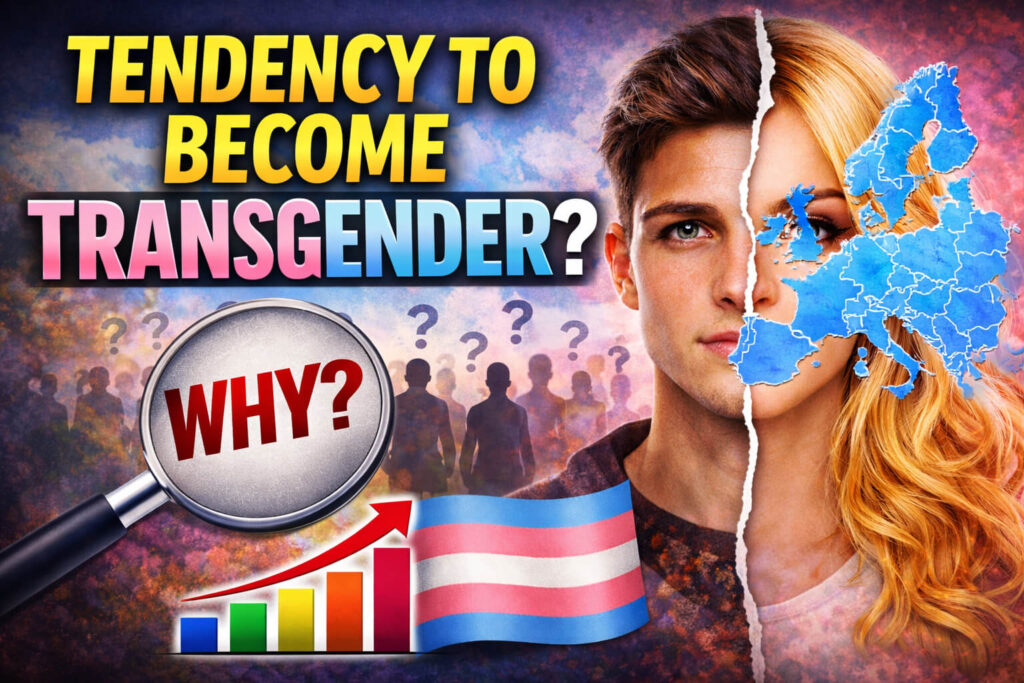
Transgender people in Europe do not become transgender because of trends or influence. They transition or live openly as transgender because it reflects who they truly are. Many people experience a deep mismatch between their gender identity and the sex they were assigned at birth, and living authentically improves their mental health and quality of life. In parts of Europe, stronger legal protections, access to healthcare, and growing social acceptance make it safer for people to come out and seek transition-related care. This visibility can make it seem more common, but it mostly reflects greater freedom to live honestly rather than a new phenomenon.
The Top Transgender Countries
Some nations are well-known for their supportiveness and inclusivity toward transgender individuals. Countries such as Canada, Malta, Spain, Argentina, Germany, and the Netherlands often stand out due to their robust legal protections, accessible gender-affirming healthcare, and policies that allow individuals to change their legal gender with minimal obstacles. These factors create safer environments where transgender people can live openly and access fundamental rights, contributing to increased visibility. However, greater visibility does not imply a higher number of transgender individuals in these places; it typically highlights better societal acceptance, healthcare infrastructure, and legal recognition compared to less supportive regions.
Who has the highest tendency to become transgender?
There isn’t a group of people that has a “higher tendency” to become transgender. Being transgender is not something people develop because of influence, lifestyle, or exposure. It’s about a person’s internal sense of gender, which usually becomes clear early in life.
What does vary is who feels safe enough to openly identify as transgender. Younger people, people living in more accepting societies, and those with access to information and healthcare are more likely to come out or seek transition. That can create the impression that certain groups are “more likely” to be transgender, when in reality they’re just more able to express it without fear.